
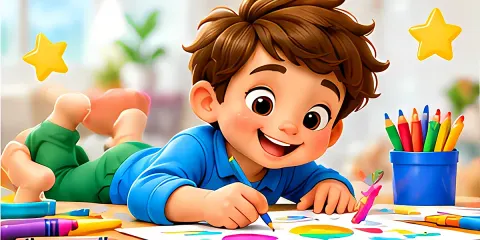
10 Creative Activities That Build Big Imaginations
Fun, easy ideas to help kids express themselves, build confidence, and discover the joy of creating — at home or on the go!

Quick answer
The best creative activities for building imagination are open-ended ones with no single right answer: story drawing, pretend play, cardboard building, “what if?” storytelling, music and movement, and nature art. Ten to twenty minutes a day, with simple supplies and a curious grown-up nearby, is enough to make a real difference.
Key takeaways
- Open-ended activities (no single right answer) stretch imagination far more than step-by-step crafts.
- Praise effort and ideas (“Tell me about it!”) rather than how “good” the result looks.
- Most of these ideas need only paper, crayons, cardboard or things you already have at home.
- Short, regular creative time beats rare, elaborate projects.
Why does imagination matter so much for kids?
Imagination is the ability to picture something that isn’t in front of you — and it sits underneath almost everything children learn. A child who can imagine can plan a tower before building it, picture a character’s feelings, invent a solution when a game goes wrong, and later understand a science idea they can’t see.
The American Academy of Pediatrics describes play — especially self-directed, imaginative play — as essential for developing executive function skills such as planning, flexible thinking and self-control. In other words, the “just playing” time you give your child is real learning time.

“Imagination isn’t a talent some children have and others don’t. It’s a muscle — and every story, drawing and pretend game helps it grow.”


10 creative activities that build big imaginations
Each idea below is open-ended, low-cost and easy to start in under five minutes. Ages are a guide, not a rule — adjust to your child.
Draw the next page of a story
Read a picture book together, stop at an exciting moment, and ask your child to draw what happens next. There’s no wrong answer — that’s the point. Ages 3–8.
The “What if?” jar
Write silly prompts on slips of paper (“What if cats could talk?”, “What if it rained jelly beans?”). Pull one at dinner or in the car and build a story together, one sentence each. Ages 4–10.
Cardboard box inventions
A delivery box can become a rocket, a shop, a robot or a puppet theater. Offer tape, markers and scissors (with supervision) and let your child decide what it is. Ages 3–10.
Coloring with a twist
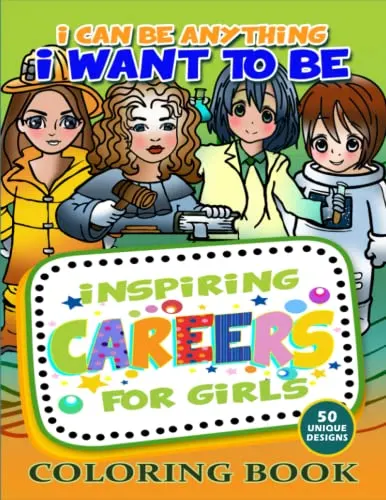
Coloring pages become imagination builders when you add a challenge: “Give the unicorn a pattern nobody has ever seen,” or “Draw a background that tells us where she lives.” Our coloring and activity books are designed with plenty of room for this. Ages 3–12.
Pretend play stations
Set up a simple “vet clinic,” “bakery” or “space station” with props from around the house. Role-play builds language, empathy and planning as children decide who does what. Ages 3–8.
Nature art
Collect leaves, twigs, petals and pebbles on a walk, then arrange them into faces, animals or patterns on the ground or on paper. Ages 3–10.
Make-your-own comic strip
Fold a sheet of paper into four or six boxes. Your child invents a character and draws a tiny adventure — beginning, problem, solution. Older kids can add speech bubbles. Ages 6–12.
Music and movement stories
Play instrumental music and ask, “What animal does this sound like? Show me how it moves!” Switch songs and watch the story change. Ages 3–7.
Listen, then imagine
Play a short audiobook with eyes closed, then draw the character or place exactly as your child pictured it. Comparing pictures is a lovely way to see how differently we each imagine. Try one of our free audiobooks for kids. Ages 3–10.
Build a tiny world
Use blocks, toy figures, play dough or recycled materials to make a mini town, zoo or fairy garden — then tell stories inside it over several days. Ages 4–12.
Which activities work best at each age?
All ten ideas can be adapted, but here’s where each one tends to shine:
| Age | Best picks | Grown-up role |
|---|---|---|
| 3–4 years | Pretend play, music & movement, nature art, coloring | Play alongside; name what you see (“You used so much blue!”) |
| 5–7 years | Draw the next page, cardboard inventions, “What if?” jar | Ask open questions; let them lead the story |
| 8–12 years | Comic strips, tiny worlds, coloring with a twist | Provide materials and time; step back |
How can parents encourage creativity without taking over?
- Ask, don’t tell. “Tell me about your picture” invites a story; “Is that a dog?” can shut one down.
- Praise the process. Notice effort, choices and ideas: “You kept trying until the bridge stood up!”
- Leave things unfinished. A half-built cardboard castle is an invitation to come back tomorrow.
- Keep supplies within reach. A small basket of paper, crayons, tape and scraps makes creative play the easy choice.
- Be bored together. Unscheduled time is where many of children’s best ideas begin.
Books that spark creative play
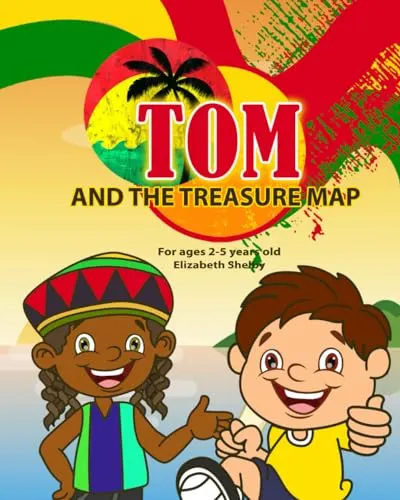
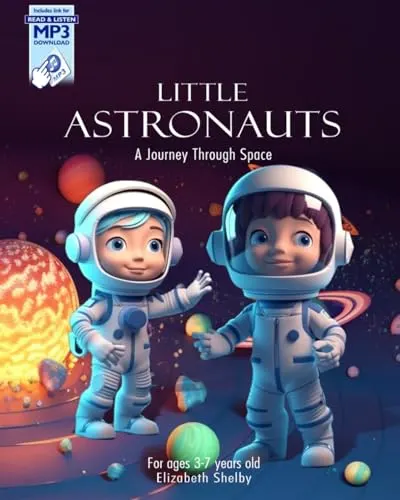
Stories give children characters, places and problems to carry into their play. These picks from our library are favorites for inspiring drawings, pretend play and “what happens next?” conversations.

Frequently asked questions
What is the best creative activity for a 3-year-old?
Pretend play and simple art are ideal at three. Offer chunky crayons, play dough or a few dress-up props and play alongside your child, describing what they do rather than directing it.
How much creative time do kids need each day?
There is no official number, but short daily sessions of 10 to 20 minutes of open-ended play or art are realistic for most families and add up to a lot of practice over a week.
Are coloring books good for imagination?
Yes, especially when you add open-ended prompts, such as inventing new patterns, adding backgrounds or telling the story of the picture. Coloring also builds fine motor control and focus.
What if my child says they are not creative?
Shift the focus from results to ideas. Try activities with no right answer, like the What if? jar or nature art, and praise effort and choices instead of how realistic something looks.
Sources & further reading
- The Power of Play: A Pediatric Role in Enhancing Development in Young Children — American Academy of Pediatrics, Pediatrics (2018)
- NAEYC (National Association for the Education of Young Children) — resources on play and process art
- Center on the Developing Child, Harvard University — “Serve and Return” interaction