

Bedtime Stories That Teach Kindness
Gentle stories and a calm routine that help children drift off thinking kind thoughts.

Quick answer
Good bedtime stories for teaching kindness are short, gentle tales where characters share, help, forgive or include others — such as fables and “power of kindness” stories. Read them as part of a calm, screen-free routine, then ask one reflective question like “Who was kind today?” to help the lesson stick.
Key takeaways
- Bedtime is a calm, connected moment — ideal for stories about feelings and kindness.
- Keep screens off for an hour before bed, as pediatric guidance recommends.
- One reflective question after the story is enough; don’t turn it into a lesson.
- Audiobooks are a lovely, screen-free option on nights when you’re tired.
Why are bedtime stories good for teaching kindness?
At bedtime, children are calm, close and ready to talk about their day. A story about sharing, helping or forgiving gives you a gentle way to talk about feelings without lecturing. Repeating stories night after night also helps the message settle in.
Bedtime reading supports good sleep habits, too. The American Academy of Pediatrics recommends keeping screens out of the bedroom and avoiding them for an hour before bed, and a predictable story routine helps the body and mind wind down.

Gentle stories that teach kindness and good choices
Look for stories with warm characters, a clear moment of kindness, and a peaceful ending. These picks from our library work beautifully at bedtime — and several are available as free audiobooks:
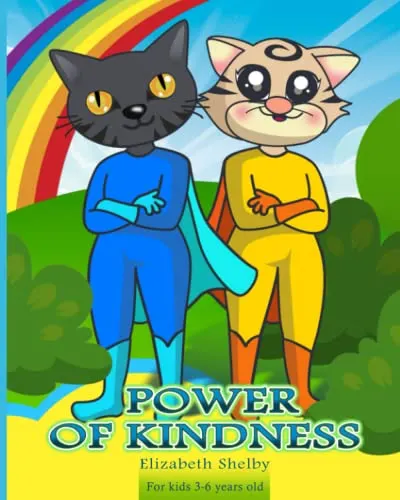

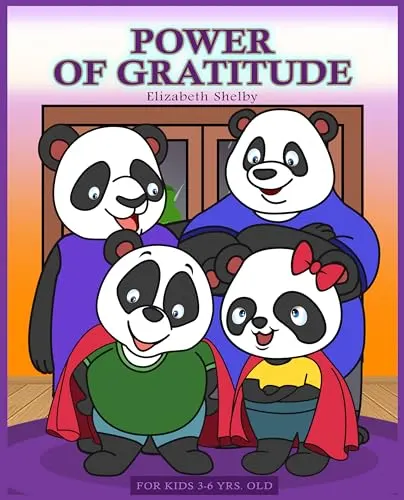

- Fables like “The Lion and the Mouse” show that even small acts of kindness matter.
- Friendship stories show characters including others and making up after disagreements.
- Gratitude stories help children notice the good things in their day.
- Choice stories show how small decisions shape how we — and others — feel.
What is a good bedtime reading routine?
Screens off, lights low
Switch off screens about an hour before bed. Dim lights to signal that sleep is coming.
Bath, pajamas, teeth
Keep the order the same every night. Predictability is calming for young children.
Let your child choose the story
Offer two options. Choosing gives a sense of control at a time when many kids resist.
Read slowly and softly
Lower your voice as the story goes on. This is not the time for loud character voices!
Ask one gentle question
“Who was kind in the story?” or “Who was kind to you today?”
End with a ritual
A hug, a song or the same goodnight phrase every night.

“The last story of the day is the one children carry into their dreams. Make it a kind one.”

Questions to ask after a kindness story
- How do you think the character felt when someone helped them?
- What would you have done if you were there?
- Can you remember a time someone was kind to you?
- What is one kind thing you could do tomorrow?
- What are you thankful for today?
How much sleep do kids need?
The American Academy of Sleep Medicine recommends the following for healthy sleep (including naps for preschoolers):
| Age | Recommended sleep per 24 hours |
|---|---|
| 1–2 years | 11–14 hours (including naps) |
| 3–5 years | 10–13 hours (including naps) |
| 6–12 years | 9–12 hours |
Plan bedtime reading so it finishes in time for those hours — even one short story counts.
What makes a good bedtime story?
- Gentle pacing. Calm events and a cozy, resolved ending — save the cliffhangers for daytime.
- Warm characters. Kind friends, helpful animals and families who care for each other.
- Rhythm and repetition. Repeated phrases are soothing and help little ones join in.
- The right length. Five to fifteen minutes, so the routine doesn’t stretch past bedtime.
- A small, clear message. One idea — sharing, gratitude, saying sorry — is enough.
Frequently asked questions
What is a good bedtime story to teach kindness?
Short, gentle stories where characters help, share or forgive work best, such as Aesop's fable The Lion and the Mouse or stories about the power of kindness and gratitude.
How long should a bedtime story be?
Around 5 to 15 minutes is typical. One or two short picture books, or a single audiobook chapter, is plenty for most young children.
Are audiobooks okay at bedtime?
Yes. Audio-only stories are a calm, screen-free choice. Choose soothing narration, keep the volume low and avoid devices with bright screens in the bedroom.
Should screens be off before bedtime?
The American Academy of Pediatrics recommends avoiding screens for about an hour before bed and keeping devices out of children's bedrooms.
Sources & further reading
- Media and Young Minds — American Academy of Pediatrics policy statement, Pediatrics (2016)
- Paruthi et al., Recommended Amount of Sleep for Pediatric Populations — American Academy of Sleep Medicine consensus, Journal of Clinical Sleep Medicine (2016)
- Layous et al., Kindness Counts: Prompting Prosocial Behavior in Preadolescents Boosts Peer Acceptance and Well-Being, PLOS ONE (2012)
- HealthyChildren.org — parenting guidance from the American Academy of Pediatrics