

How to Make Reading a Daily Habit
Simple tips to turn reading into a fun and magical part of your family’s day.

Quick answer
To make reading a daily habit, attach it to something that already happens every day (like bedtime or breakfast), keep it short — 10 to 20 minutes — let your child choose the books, keep books within reach in every room, and read aloud together even after your child can read alone. Consistency matters more than length.
Key takeaways
- Anchor reading to an existing routine — “after bath, we read.”
- Short and daily beats long and occasional.
- Children who choose their own books read more willingly.
- Keep reading aloud to independent readers; it builds vocabulary and connection.
- Audiobooks, comics and activity books all count as reading time.
Why does daily reading matter?
Reading together every day is one of the simplest things a family can do for a child’s development. The American Academy of Pediatrics recommends reading aloud to children starting in infancy, because shared reading builds language, early literacy and the parent–child bond.
The effect adds up. One frequently cited study estimated that children who are read five picture books a day hear around 1.4 million more words by kindergarten than children who are never read to. Even one book a day makes a meaningful difference over the early years.

9 simple ways to build a reading habit
Attach reading to an existing routine
Habits stick when they piggyback on something that already happens: after brushing teeth, during breakfast, or on the bus ride home.
Start small: 10 minutes is enough
A short, happy session every day is better than a long one that feels like homework. Stop while your child still wants more.
Let your child choose
Offer two or three options, or let them pick freely at the library. Re-reading a favorite fifty times is completely fine — repetition builds fluency and confidence.
Create a cozy reading nook
A cushion, a basket of books and good light turn reading into a special place, not just a task.
Put books everywhere
Keep a few books in the car, the bathroom, by the bed and near the breakfast table. Easy access means more reading.
Read aloud — even to readers
Listening to stories above their own reading level grows children’s vocabulary and comprehension. Many families keep read-aloud time going well into the tween years.
Use audiobooks on busy days
Car rides and quiet time are perfect for listening. Try our free audiobooks for kids on the days when there’s no time to sit down together.
Be a reading role model
Children copy what they see. Let them catch you reading a book, magazine or recipe — and talk about it.
Celebrate, don’t reward
A simple reading chart with stickers or a “books we loved” wall is motivating. Avoid turning reading into a chore paid for with screen time.

“The goal isn’t to finish a book. The goal is for your child to want to open the next one.”

How long should kids read each day?
There is no single official target, but these ranges are realistic starting points that many teachers suggest:
| Age | Daily goal | What it looks like |
|---|---|---|
| Toddlers (1–3) | 5–15 minutes, in short bursts | Board books, pointing and naming pictures |
| Preschool (3–5) | 15–20 minutes | Read-alouds, rhyming books, re-reading favorites |
| Early readers (5–8) | 20 minutes | Taking turns reading pages; picture books and early chapter books |
| Older kids (8–12) | 20–30 minutes | Independent reading plus a shared read-aloud |
What if my child doesn’t like reading?
- Follow their interests. Dinosaurs, space, unicorns, trucks — there’s a book for every passion.
- Widen what counts. Comics, joke books, activity books, recipes and audiobooks are all reading.
- Take turns. You read a page, they read a line. It halves the effort and doubles the fun.
- Remove the pressure. Avoid correcting every word; enjoy the story first.
- Check in with a teacher. If reading feels unusually hard, a teacher or pediatrician can help rule out vision or learning differences early.
A sample 15-minute evening reading routine
Minute 0 — Choose
Your child picks one book (or two short ones) from a small basket.
Minutes 1–10 — Read together
You read aloud; older children read a page or a line to you.
Minutes 10–13 — Talk
One question: “What was your favorite part?” or “What do you think happens after the end?”
Minutes 13–15 — Celebrate
Add a sticker to the reading chart and choose tomorrow’s book.
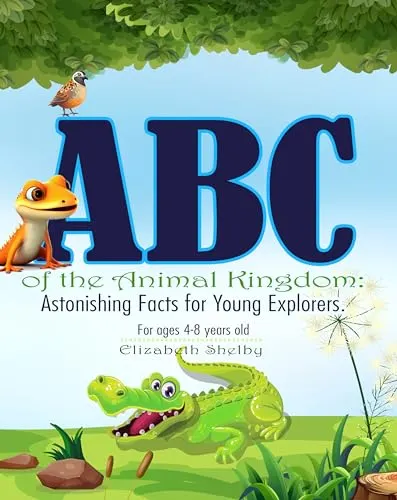
Great books to start your reading routine
Short, re-readable stories with bright illustrations are perfect for building a daily habit.



Frequently asked questions
At what age should I start reading to my child?
From birth. The American Academy of Pediatrics recommends reading aloud to children beginning in infancy because it supports language development and bonding.
Is it okay to read the same book every night?
Yes. Repetition helps children predict words, build vocabulary and gain confidence. Offer new books alongside favorites, but follow your child's lead.
Do audiobooks count as reading?
Audiobooks build listening comprehension, vocabulary and a love of stories, so they are a valuable part of a reading routine, especially alongside printed books.
How do I get my child to read independently?
Keep reading aloud, let them choose books slightly below their reading level for independent time, and create a predictable daily slot for quiet reading.
Sources & further reading
- Literacy Promotion: An Essential Component of Primary Care Pediatric Practice — American Academy of Pediatrics, Pediatrics (2014)
- Logan et al., When Children Are Not Read to at Home: The Million Word Gap, Journal of Developmental & Behavioral Pediatrics (2019)
- Reading Rockets — research-based reading guidance for families and teachers