
Why Audiobooks Are a Game-Changer for Kids
Discover the amazing benefits of audiobooks for learning, imagination, and confidence.

Quick answer
Audiobooks help kids build vocabulary, listening comprehension and imagination, give struggling or early readers access to stories above their reading level, and make screen-free time easy in the car or at bedtime. They work best alongside printed books — for example, listening while following along in the book.
Key takeaways
- Listening grows vocabulary and comprehension, the foundations of strong reading.
- Audiobooks let children enjoy stories above their current reading level.
- Following along in the printed book while listening links spoken and written words.
- They’re a natural screen-free option for car rides, quiet time and bedtime.
What are the benefits of audiobooks for kids?
Bigger vocabulary
Children hear rich, varied words they might not meet in everyday conversation.
Listening skills
Following a story without pictures builds attention and comprehension.
Imagination
With no images on screen, kids create the characters and places in their minds.
Confidence
Struggling readers can enjoy the same stories as their friends.
Listening comprehension and reading comprehension draw on many of the same language skills. A study of adult readers published in SAGE Open found no significant difference in comprehension between reading, listening, or doing both at once — a helpful reminder that listening to a story is real engagement with it, not a shortcut.
Literacy organizations such as the UK’s National Literacy Trust have also reported that audiobooks can boost children’s enjoyment of stories and attract reluctant readers — enjoyment being one of the strongest predictors of how much children read.
Do audiobooks build imagination?
Yes — in a way screens can’t. When there are no pictures, the child becomes the illustrator. Research using brain imaging has found that preschoolers from homes with more reading show greater activation in brain areas associated with mental imagery and understanding stories when they listen to stories. Audiobooks give children regular practice at exactly this kind of “picturing.”

“When a child listens to a story, they become the illustrator. No two children ever imagine the same dragon.”

How to use audiobooks well at home
Listen and follow along
For early readers, following the printed words while listening connects sounds to letters and builds fluency.
Make the car a story zone
Short drives become chapters. Many families find that audiobooks cut down on backseat squabbles.
Add audiobooks to bedtime
A calm story is a gentle, screen-free way to wind down — choose soothing narration and keep the volume low.
Talk about it afterwards
Ask: “Who was your favorite character? What would you have done?” Conversation turns listening into thinking.
Keep hands busy
Coloring, building blocks or play dough while listening can actually help wiggly children focus.
Which audiobooks suit each age?
| Age | Look for | Ideal length |
|---|---|---|
| 3–6 years | Rhythm, repetition, animal characters, clear narration | 5–15 minutes |
| 4–8 years | Simple adventures, kindness and manners stories, fables | 10–25 minutes |
| 8–12 years | Longer collections, chapter books, real-world topics | 20+ minutes or chapters |
Are there any downsides to audiobooks?
Audiobooks are a wonderful tool, but they work best as part of a balanced reading life:
- They don’t teach decoding. Children still need practice sounding out printed words, so keep reading physical books together too.
- Listening can become background noise. If a story is always playing, children may tune out. Choose a time to listen with attention, then talk about it.
- Devices can lead to screens. Use a speaker, an old phone in airplane mode or a screen-locked tablet so listening doesn’t drift into videos.
- Volume matters. With headphones, keep the volume comfortably low and choose child-sized, volume-limited headphones where possible.
Free audiobooks for kids to try
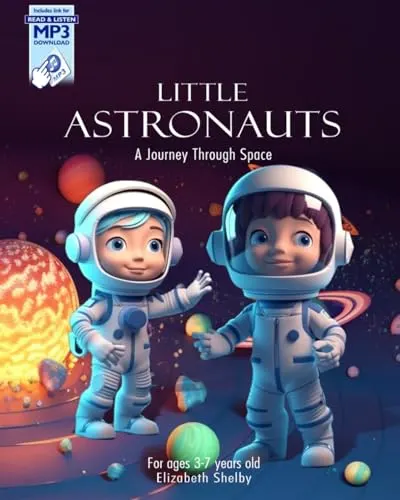
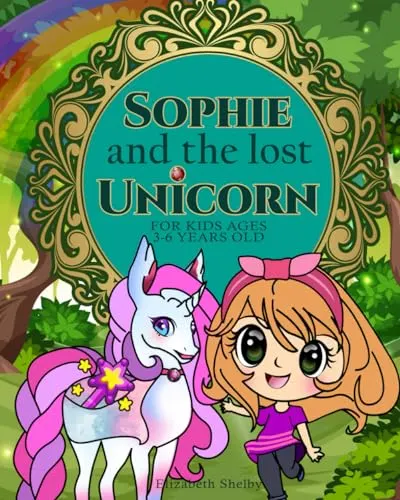
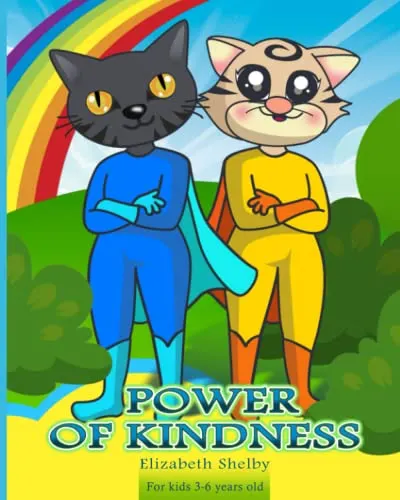
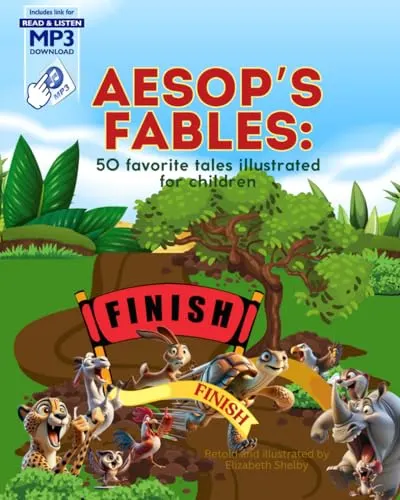
All of these stories are free to stream or download on our audiobooks page:
Frequently asked questions
Are audiobooks as good as reading for kids?
They build many of the same skills, including vocabulary, comprehension and imagination. Printed books are still important for learning to decode words, so the best approach is a mix of both.
At what age can kids start listening to audiobooks?
Many children enjoy short audiobooks from about age 2 or 3, especially stories with rhyme, repetition and familiar characters.
Can audiobooks help struggling readers?
Yes. Audiobooks let struggling readers enjoy age-appropriate stories and vocabulary, and listening while following the printed text can support fluency.
Are audiobooks screen time?
Audio-only listening is not screen time in the usual sense, which makes it a helpful option for car rides, quiet time and bedtime.
Sources & further reading
- Rogowsky, Calhoun & Tallal, Does Modality Matter? The Effects of Reading, Listening, and Dual Modality on Comprehension, SAGE Open (2016)
- National Literacy Trust — research on audiobooks and children's literacy
- Hutton et al., Home Reading Environment and Brain Activation in Preschool Children Listening to Stories, Pediatrics (2015)
- Reading Rockets — research-based reading guidance for families and teachers