
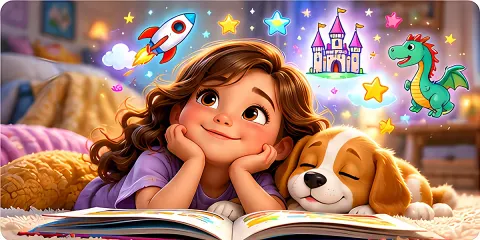
How Storybooks Spark Imagination in Young Readers
How picture books open worlds of creativity, empathy and confidence — and easy ways to read more imaginatively.

Quick answer
Storybooks spark imagination by inviting children to picture people, places and events they can’t see, step into characters’ feelings and predict what happens next. Brain-imaging research links home reading with activity in areas used for mental imagery. Asking open-ended questions and acting out stories makes the effect even stronger.
Key takeaways
- Reading asks children to build pictures in their minds — the core skill of imagination.
- Stories build empathy by letting kids “try on” other people’s feelings.
- Open-ended questions turn reading from listening into thinking.
- Variety matters: fantasy, adventure, real-life and nonfiction each stretch imagination differently.
What makes a good story so powerful?
Storybooks do more than entertain — they open doors to new worlds, new ideas and new possibilities. When children read or listen to stories, they explore magical places, meet unforgettable characters and imagine what life might be like beyond their everyday world.
Imagination is a powerful tool. It helps children build creativity, develop empathy and gain confidence as they learn to see the world from different perspectives. Through stories, kids can become brave astronauts, kind animal helpers, curious scientists — or anything they dream of.

“A good story gives children a place to practice being braver, kinder, and more curious about the world.”

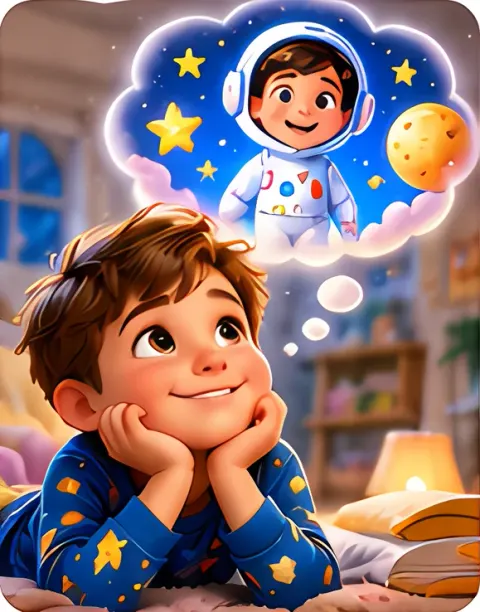
What does research say about reading and imagination?
A 2015 study in Pediatrics used brain imaging with preschoolers as they listened to stories. Children from homes with more reading support showed greater activation in brain regions associated with mental imagery and understanding narrative — the areas that help a child “see the story” in their mind. The authors suggested this may be especially important as children move from picture books to books with fewer illustrations.
The American Academy of Pediatrics also recommends reading aloud from infancy, describing shared reading as a powerful way to build language, literacy and relationships.
Which skills do stories build?
Creativity
Stories encourage kids to think in new and different ways.
Empathy
Reading about diverse characters helps children understand and care about others.
Problem-solving
Characters face challenges that inspire kids to think of their own solutions.
Confidence
Seeing characters overcome obstacles helps children believe in themselves.
How can I make reading more imaginative?
You don’t need a complicated routine to spark imagination. Here are a few easy ideas:
Ask open-ended questions
Try “What do you think happens next?” or “How would you feel in this character’s shoes?”
Pause before the page turn
Let your child predict what’s coming. Being wrong is half the fun.
Encourage creative play
Let kids act out their favorite parts, build the setting with blocks, or invent a new ending.
Explore different kinds of stories
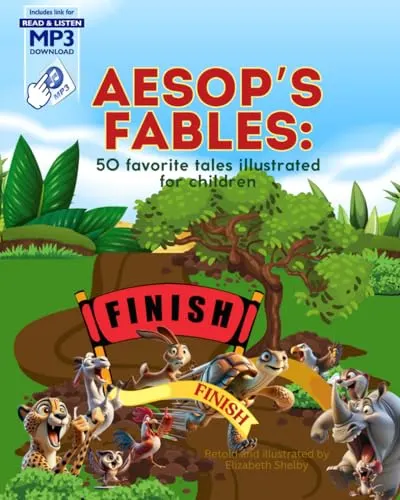
Adventure, friendship, fantasy, fables and real-life stories each inspire imagination in unique ways. Aesop’s Fables are wonderful for “what would you do?” talks.
Read with your eyes closed
Every few pages, describe a scene without showing the picture and ask your child to imagine it first.
Make reading cozy and special
A comfy spot, a favorite stuffed animal and a good book can turn any day into an adventure.
Every story is a chance for a child to dream a little bigger. When we give kids access to books, we’re giving them the tools to imagine brighter tomorrows.
Which kinds of stories stretch imagination?
Different genres exercise imagination in different ways. Rotating through them keeps reading time fresh:
| Story type | What it builds | Try asking |
|---|---|---|
| Fantasy | Possibility thinking, inventing new worlds | “What magic power would you choose?” |
| Adventure | Prediction, problem-solving, courage | “What would you pack for this journey?” |
| Fables | Reasoning, cause and effect, values | “What lesson did the character learn?” |
| Real-life stories | Empathy, understanding feelings | “Has this ever happened to you?” |
| Nonfiction | Curiosity, vocabulary, wonder about the real world | “What else do you want to find out?” |
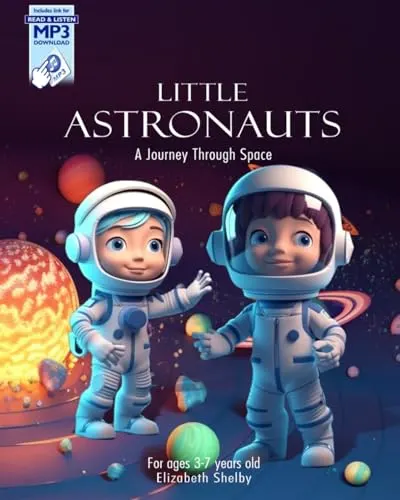
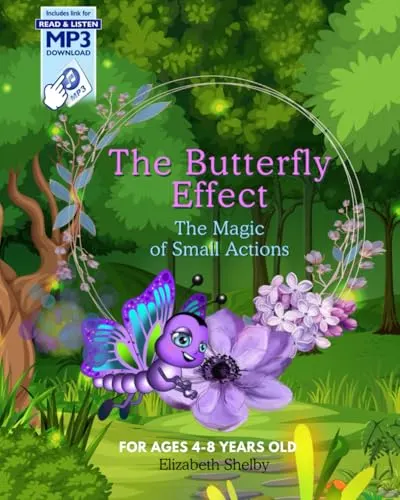
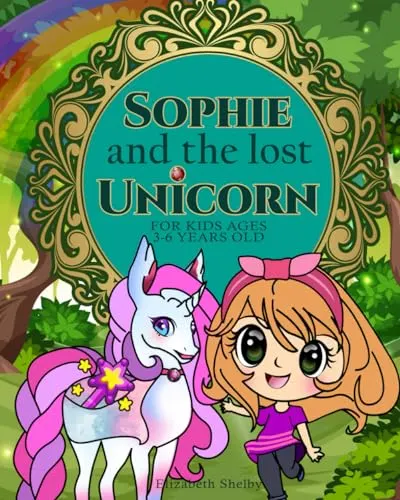
Storybooks that spark big imaginations
Frequently asked questions
How do picture books develop imagination?
Picture books combine words and images that invite children to fill in gaps, predict events and picture what is not shown, which exercises the mental imagery skills at the heart of imagination.
What kind of books build imagination best?
A mix works best: fantasy and adventure stretch possibility, fables and real-life stories build empathy and reasoning, and nonfiction feeds curiosity about the real world.
Should I keep reading picture books to older kids?
Yes. Picture books often use rich vocabulary and layered themes, and shared reading remains valuable for older children alongside chapter books.
Sources & further reading
- Hutton et al., Home Reading Environment and Brain Activation in Preschool Children Listening to Stories, Pediatrics (2015)
- Literacy Promotion: An Essential Component of Primary Care Pediatric Practice — American Academy of Pediatrics, Pediatrics (2014)
- Reading Rockets — research-based reading guidance for families and teachers